
Over recent weeks, we’ve been asked the same three questions again and again. Why are there so many weeds? Why haven’t the patches recovered? And should I still be mowing? Here’s what our technicians are seeing on lawns across Nottingham, and what will make the biggest difference between now and spring.
Why are there so many weeds?
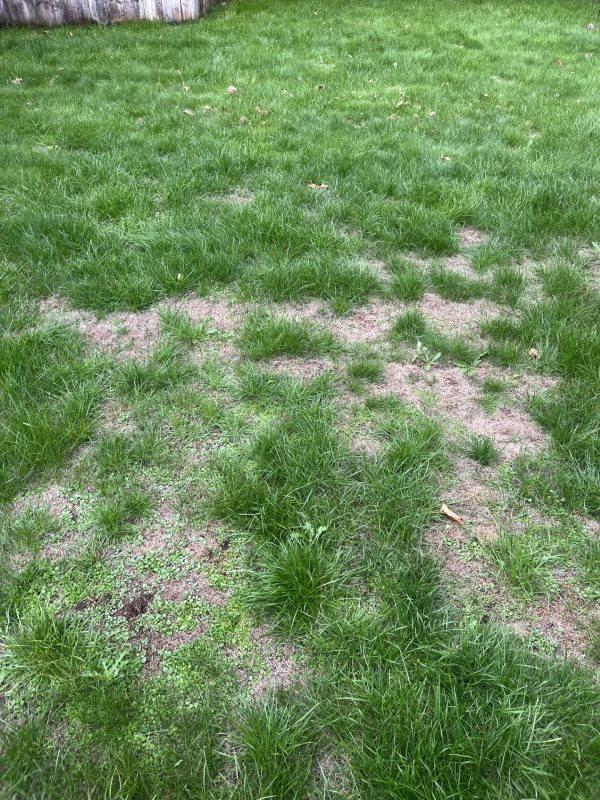
As the grass thinned over the summer, it created ideal conditions for weeds. Weed seeds were already waiting within the soil, and the rain brought them up. Deep-rooted weeds like plantains and dandelions stayed green through the drought, so they now stand out more than ever.
Weed control works well at this time of year, while weeds are actively growing. A broad spectrum treatment, like the four-way weed control we use in autumn, clears weeds that have already come up. It won’t stop new seeds germinating, though, so a few fresh ones may still appear. That’s normal, and it’s where the mower comes in.
Mow, mow, mow
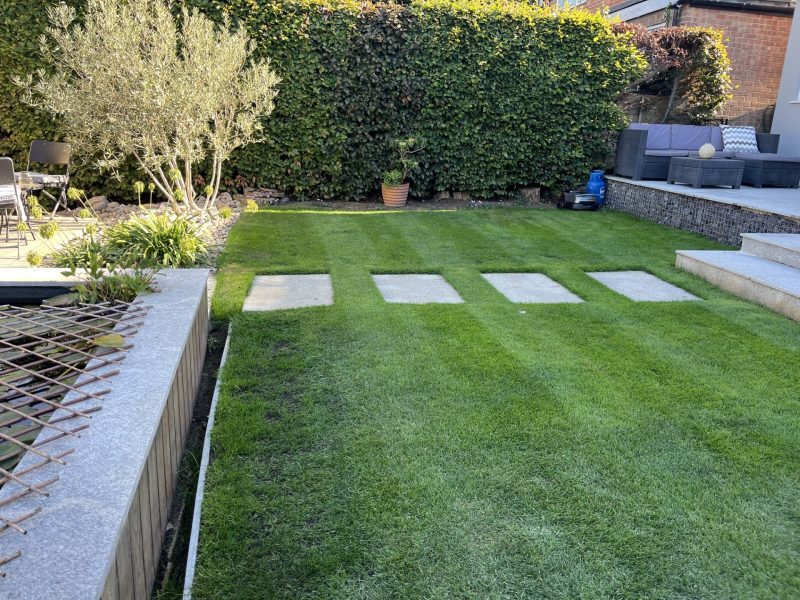
It sounds too ordinary to matter, but mowing is one of the best weed controls you have. Grass grows from its base, so each cut encourages it to send out new shoots sideways and thicken up. Most weeds grow from their tips, so each cut weakens them and stops them setting seed.
Thinking about the last cut already? If it’s growing, keep mowing, which can mean well into November and even early December. Long grass going into winter flops over, traps moisture and invites disease, while a lawn kept at a sensible height goes into winter dense and healthy. Your last cuts of this year are really the first step towards next year’s lawn.
If your lawn has grown long, bring it down over two or three cuts, taking no more than a third off at a time. If it has been treated for weeds, leave a few days either side of the treatment before mowing.
For many people, the hardest part of mowing is finding the time. A robotic mower trims a little every day or two, which is exactly the little and often approach grass responds to best. It’s the one lawn habit you never have to remember to keep. We’ve written about the pros and cons in Are robotic lawn mowers any good?, and we’re happy to put you in touch with a trusted local supplier.
Why haven’t the patches recovered?
When our technicians look closely, patches that stay bare usually share the same causes: thatch, compaction or both. Thatch is a spongy layer of dead grass that holds water before it reaches the soil, while compaction squeezes out the air and leaves roots struggling. Neither fixes itself, and left alone the gaps fill with weeds or moss. Even the best mowing routine maintains a lawn rather than repairs one.
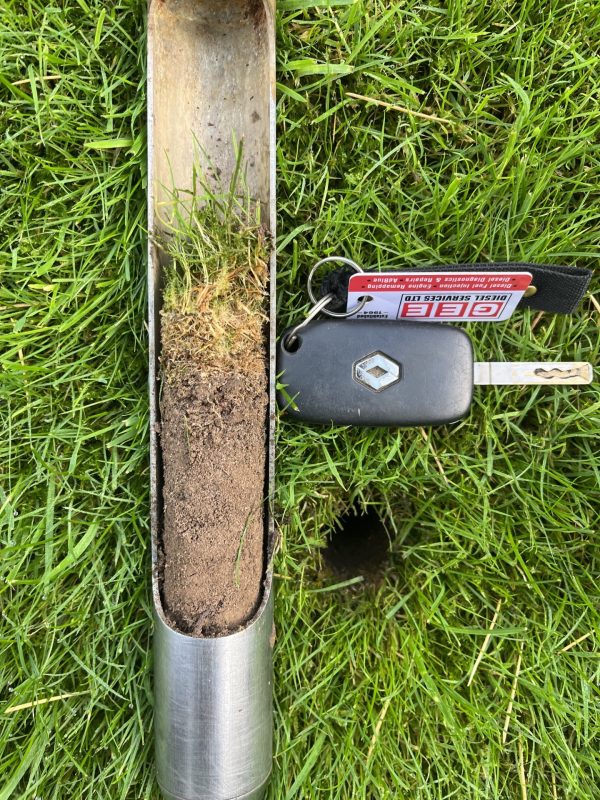
Now is a good time to repair them, while the soil is still warm and more rain is on the way. The key is seed to soil contact: rake out the dead material, loosen the surface, sow, firm in lightly and keep moist. Our guide to repairing patches in your lawn explains each step. If your lawn has had a weed treatment recently, check the product label or ask us before seeding, as sowing too soon can affect germination.
If that sounds like hard work, spring is the next good window for scarification, aeration and overseeding, which together can turn a tired, patchy lawn around.
Not sure where to start?
Every lawn is different, and the right approach depends on what’s happening beneath the surface. Send us a photo at info@greenergardens.co.uk and we’ll come back to you with our advice, or get in touch to arrange a free lawn consultation.